
Scheduled Attention That Prevents Expensive Surprises
Roof maintenance plans in Fairburn for homeowners extending roof life and catching early damage before repairs become emergencies
On a residential roof, the difference between a minor repair and an emergency replacement often comes down to when the problem was identified. Worn flashing, lifting shingles at a valley, and debris accumulation in a gutter run do not become expensive overnight—they worsen incrementally until water intrusion makes the repair window much larger and costlier. Southside Roofing's maintenance plans are structured around catching those incremental changes before they cross that threshold, through scheduled inspections and written documentation that lets you track the roof's condition over time.
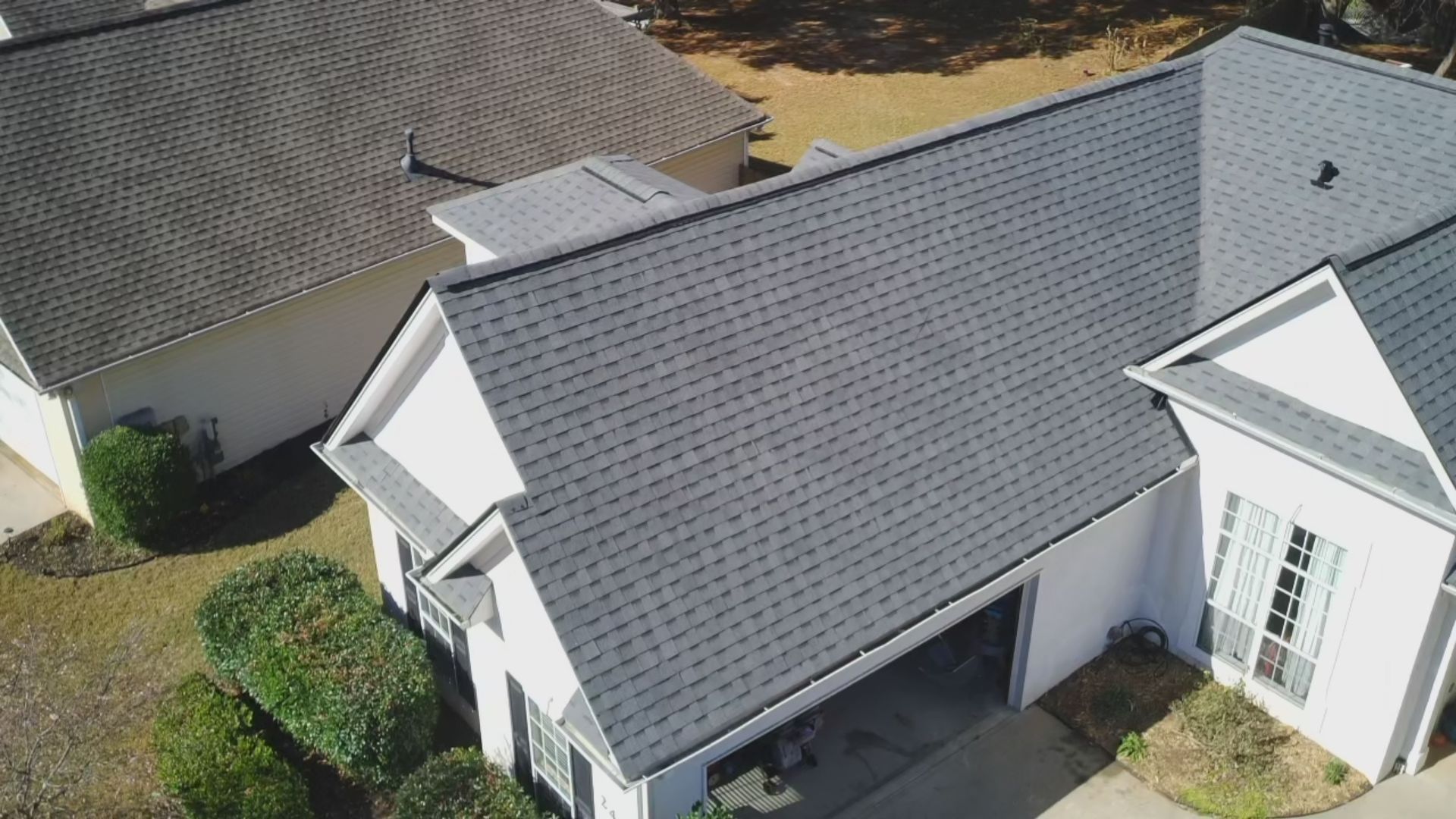
Each maintenance visit covers a full roof walkthrough: inspecting flashing condition at all wall intersections and penetrations, checking shingle integrity and granule retention, clearing debris from valleys and gutters, and photographing anything that has changed since the previous visit. The written report with photos that follows each inspection identifies findings, distinguishes cosmetic wear from items requiring near-term attention, and notes what to watch before the next scheduled visit. Customers select which recommended repairs to schedule; the plan itself does not commit you to any specific repair scope.
Connect with Southside Roofing to establish a maintenance schedule calibrated to your roof's age, material type, and exposure conditions.
What Roof Maintenance Actually Accomplishes
Maintenance plans are offered annually or twice yearly depending on the roof's age and complexity. Older roofs—particularly those approaching fifteen or more years on asphalt shingles—benefit from twice-yearly visits because degradation accelerates in the final years of a shingle's service life, and the window between "needs attention" and "needs replacement" narrows considerably. Younger roofs in good condition are typically well-served by annual visits that establish baseline documentation and catch the early flashing wear that is common regardless of shingle age.
After a maintenance visit, you receive a timestamped written report and photo set that documents the roof's condition at that specific date. That record has practical value beyond the inspection itself: it establishes that the roof was professionally evaluated and maintained, which supports insurance discussions if event-related damage occurs later. Homeowners in the Palmetto area who have used maintenance plans have found that the documentation helped distinguish pre-existing gradual wear from discrete storm damage—a distinction that affects how claims are evaluated.
The plan schedule is set at enrollment based on roof characteristics, but visit frequency can be adjusted if a significant event—such as hail or high-wind activity—occurs between scheduled visits and warrants an additional inspection. Maintenance plans extend roof life by converting reactive emergency spending into predictable, planned repair activity spread across the roof's service life.
Questions Before Starting Your Project
The questions below focus on how maintenance plans are structured, what each visit involves, and how the documentation produced during inspections is used.
How is a roof maintenance inspection different from a one-time inspection?
A maintenance inspection is part of a documented series with a consistent scope, so the inspector compares current conditions against previous visit photos and notes. A one-time inspection produces a point-in-time report; a maintenance plan produces a condition history that shows how the roof is changing over time.
What does debris clearing during a maintenance visit actually involve?
Inspectors clear accumulated organic debris from valleys, around penetrations, and from gutter runs where debris traps moisture against the roof surface. Debris sitting against flashing or in low points accelerates the degradation of the material underneath, so clearing it is a functional step rather than cosmetic cleanup.
How does roof age determine the appropriate maintenance visit frequency?
Asphalt shingle roofs under ten years old with no known installation issues are typically maintained annually. Roofs over fifteen years old, or those with known prior repairs or flashing replacements, are better served by twice-yearly visits because condition changes happen faster as materials approach end of life.
What specific flashing conditions does a maintenance inspection examine?
Inspectors check that step flashing at wall intersections has not shifted or lifted, that counter-flashing is still embedded and sealed at the top edge, and that sealant at pipe boots and vents has not cracked or separated. These are the locations where water entry begins in the majority of residential roof failures.
How do you use the written report from a maintenance visit to plan repairs?
The report categorizes findings by urgency—items to address before the next visit, items to monitor, and items that are currently within normal wear range. That categorization lets you budget and schedule repairs in order of risk rather than addressing everything at once or waiting until a failure forces the issue.
Southside Roofing also provides roof maintenance plans in College Park, Union City, Palmetto, Riverdale, and Peachtree City. To set up a maintenance schedule and receive a baseline inspection report for your property, call Southside Roofing at (678) 274-2686.