What a Roof Evaluation Actually Reveals
Roof inspections in Fairburn for homeowners identifying wear, damage, or insurance claim documentation needs
Southside Roofing performs detailed roof inspections for residential properties in Fairburn, delivering a written report that documents current conditions, identifies developing problems, and outlines repair priorities by urgency. Homeowners typically request an inspection before purchasing a property, after a storm event, or when an insurer requires documentation of damage. In each case, what matters is not just spotting visible deterioration but accurately communicating its scope in a format that supports decisions and claims.
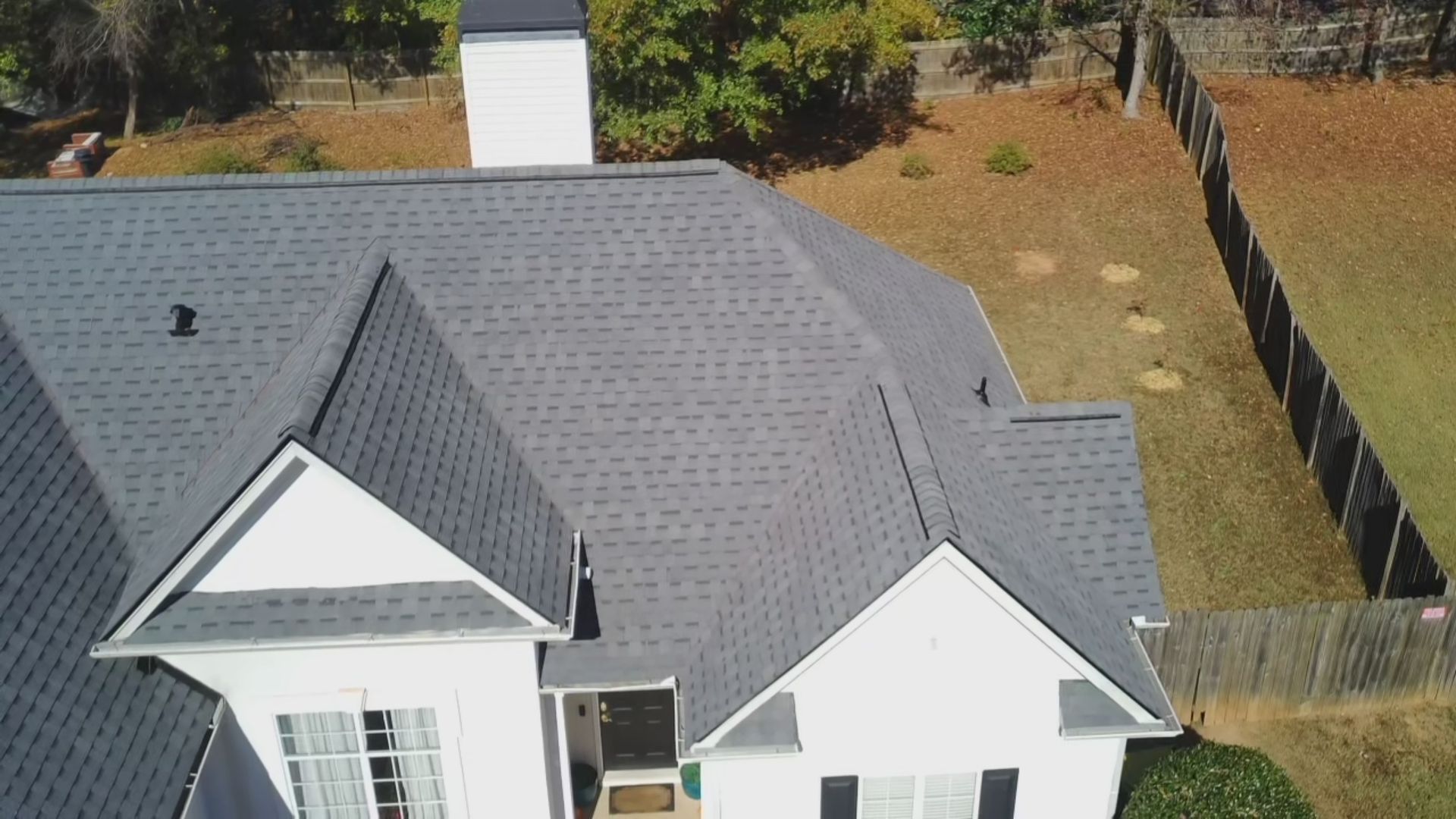
The inspection process involves a full walkthrough of the roof surface with photographs taken of every concern identified. Worn flashing, cracked or lifting shingles, compromised sealant around penetrations, and granule loss that signals aging membrane are all documented by location. The written report that follows categorizes findings by urgency so you can sequence repairs logically rather than reactively. For insurance claims, damage documentation follows the detail level adjusters require, which differs meaningfully from a general maintenance report.
Schedule a roof inspection with Southside Roofing to receive a written evaluation of your current conditions and a clear picture of what requires attention first.
How a Written Inspection Report Changes Your Decision-Making
What separates a professional inspection from a visual glance is the documentation trail it creates. Southside Roofing photographs every identified concern and produces a written report that maps findings to specific roof sections, distinguishes cosmetic wear from structural vulnerability, and ranks recommended repairs by urgency. That sequencing matters because addressing a compromised valley before replacing granule-depleted field shingles prevents water intrusion from advancing while you plan larger work.
After the inspection is complete, you receive a tangible record of your roof's condition at a specific point in time. That document has multiple uses: it informs a repair budget, satisfies an insurance adjuster's documentation requirement, or establishes a baseline for a maintenance schedule. In residential areas where deferred maintenance is common, a documented baseline is also the clearest way to demonstrate that damage is event-related rather than accumulated neglect—a distinction that affects claim outcomes significantly.
Inspection scope includes all accessible roof surfaces, flashings, penetrations, and visible underlayment edges. Interior attic conditions such as staining or ventilation irregularities may be noted when observable from below, but invasive interior testing is outside the standard inspection scope. Pre-purchase inspections and storm damage assessments follow the same documentation protocol, though the report emphasis differs based on what you need the findings to accomplish.
Common Questions About This Service
The questions below address how the inspection itself is conducted, what the report includes, and how findings are used for different purposes including maintenance planning and insurance documentation.
What does a roof inspection actually cover?
The inspector walks all accessible roof surfaces, examines flashing around chimneys, vents, and valleys, checks sealant at penetrations, and photographs every area showing wear or damage. You receive a written report organized by location and urgency.
How is a storm damage inspection different from a routine maintenance inspection?
A storm damage inspection documents specific event-related failures—impact marks, torn flashings, displaced shingles—in the detail level required for insurance claim support, whereas a maintenance inspection categorizes cumulative wear and prioritizes upcoming repair needs.
What do inspectors look for on older asphalt shingle roofs common in Fairburn?
On roofs from the 1980s and 1990s, inspectors focus on granule loss exposing the mat, cracking at tab edges, and flashing that was installed without counter-flashing, which was standard practice at the time but creates long-term leak paths at wall intersections.
How should you prepare the property before an inspector arrives?
Clear access to the attic hatch if interior verification is needed, and note any interior staining or ceiling spots you've observed—those locations help the inspector prioritize where to look on the exterior surface above.
Why does repair urgency ranking in the report matter?
Not all roof problems develop at the same rate. A cracked pipe boot flashing allows slow infiltration that worsens over months, while a missing shingle exposes underlayment immediately. The urgency ranking tells you which items to address before the next heavy rain and which can be scheduled during planned maintenance.
Southside Roofing also performs roof inspections in College Park, Union City, Palmetto, Riverdale, and Peachtree City. To arrange an inspection and receive a written report of findings with photos, contact Southside Roofing directly at (678) 274-2686.